Southern-inspired
Cajun Meatloaf with Creamy Mashed Potatoes
A bold Southern-inspired meatloaf packed with Cajun spices and sautéed vegetables.
View recipe →From Dianne's kitchen
Wholesome, approachable dishes inspired by Jamaica, the Caribbean, and kitchens around the world.
Featured recipe
Soft, buttery & lightly sweet
Nothing says comfort like a warm slice of homemade cornbread. Serve it alongside chili, stew, or greens—or enjoy it with a little extra butter.
Cook this recipe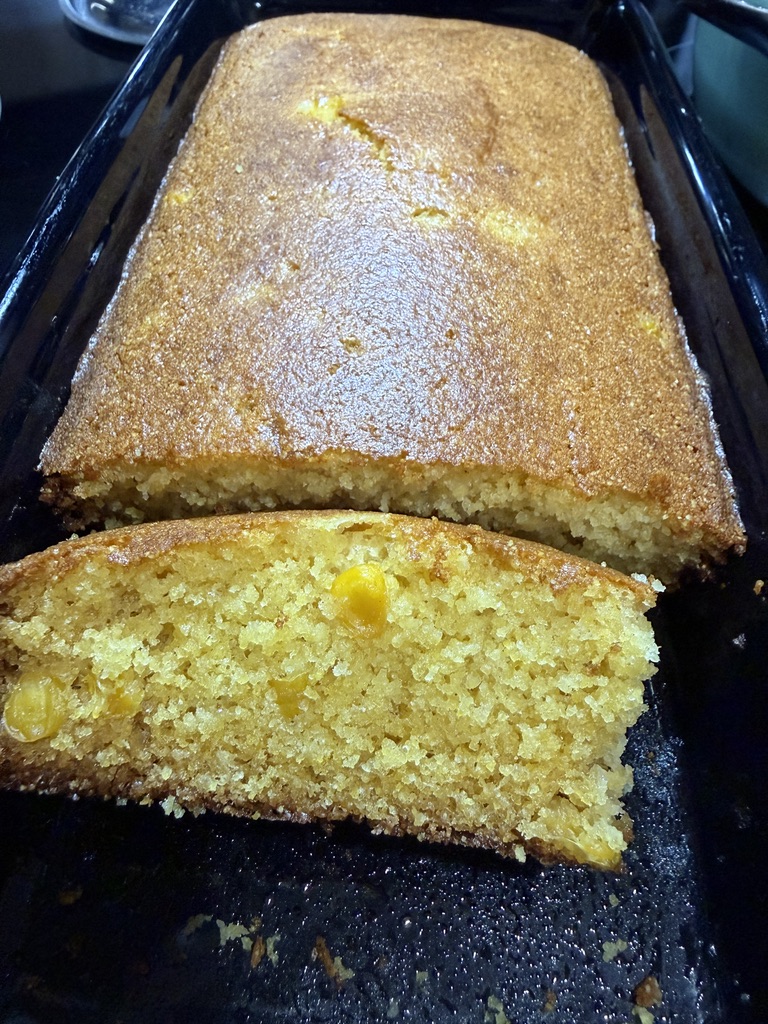
Southern-inspired
A bold Southern-inspired meatloaf packed with Cajun spices and sautéed vegetables.
View recipe →Indian
Tender chicken in a warmly spiced, creamy tomato sauce.
View recipe →Drinks
A naturally sweet, creamy plant-based drink blended with hemp seeds and dates.
View recipe →Mexican-inspired
Warm, tender corn tortillas made from a simple masa dough.
View recipe →Caribbean
Soft, tender flatbread to serve alongside curries, stews, and flavorful sauces.
View recipe →Vietnamese
Tender pork and eggs gently braised in a savory-sweet caramel sauce.
View recipe →Drinks
A refreshing blended juice of vegetables and fruit for a bright start to the day.
View recipe →Indian-inspired
A bright, tangy herb chutney with cilantro, mint, ginger, and lime.
View recipe →Indian
Crisp pastry parcels filled with warmly spiced potatoes, peas, and aromatics.
View recipe →Caribbean
Crisp fried fish topped with a tangy pickle of peppers, onions, carrots, and vinegar.
View recipe →Asian-inspired
Sticky, savory-sweet chicken wings with ginger, garlic, and a glossy teriyaki finish.
View recipe →Asian-inspired
Colorful fried rice with vegetables, egg, soy sauce, and a savory finish.
View recipe →Moroccan-inspired
Warmly spiced chicken braised with onion, tomatoes, vegetables, and fragrant herbs.
View recipe →Vegetable side
Tender oven-roasted eggplant with olive oil, garlic, herbs, and caramelized edges.
View recipe →Indian-inspired
A comforting mix of vegetables simmered in a warmly spiced tomato curry sauce.
View recipe →Indian-inspired
Soft skillet naan filled with a seasoned potato mixture and cooked until golden.
View recipe →Indian-inspired
Creamy yellow split pea dal finished with a fragrant onion-and-spice tadka.
View recipe →Caribbean
A nourishing Jamaican vegetable stew with root vegetables, herbs, and coconut milk.
View recipe →Baking
Savory zucchini, cheddar, Parmesan, oat, and bacon muffins.
View recipe →Indian-inspired
A quick golden omelette with garam masala, turmeric, cilantro, and onion.
View recipe →Indian
A cool, creamy yogurt drink blended with ripe mango.
View recipe →Indian
A warm whole-spice blend for curries, marinades, and everyday Indian cooking.
View recipe →Indian
Yogurt-marinated chicken grilled, air-fried, or baked with warm Indian spices.
View recipe →Tropical
A pineapple, coconut, banana, and orange smoothie with toasted coconut.
View recipe →Indian-inspired
Hard-boiled eggs in a creamy Madras curry with potato and vegetables.
View recipe →Vegetarian
Golden skillet pancakes made with potato, cauliflower, onion, and garlic.
View recipe →Vegetable side
Tender cauliflower rice with garlic, vegetables, and crunchy walnuts.
View recipe →Caribbean
Crispy salt-cod fritters with vegetables, thyme, and a touch of heat.
View recipe →Caribbean
A warm, creamy breakfast porridge with cinnamon and nutmeg.
View recipe →Caribbean
Quick, fiery shrimp with garlic and Scotch bonnet pepper.
View recipe →Seafood
A generous tomato-and-wine seafood stew with shrimp, fish, and shellfish.
View recipe →Southwestern-inspired
Golden fry bread with pinto beans, seasoned bison, and fresh toppings.
View recipe →Greek
Jumbo shrimp in tomato, oregano, wine, and feta sauce.
View recipe →Baking
A moist banana loaf with coconut oil, walnuts, raisins, and nutmeg.
View recipe →Italian-inspired
A fragrant fresh basil oil for pasta, bread, soups, and vegetables.
View recipe →Italian
A rich slow-simmered meat sauce with beef, pork, pancetta, tomato, wine, and milk.
View recipe →Mexican-inspired
A bright black bean salsa with tomatoes, peppers, cilantro, lime, and cumin.
View recipe →Seafood
Creamy clam chowder with bacon, tender potatoes, and herbs.
View recipe →Peruvian
Fresh white fish brightened with lime, onion, cilantro, and chili.
View recipe →Vietnamese
Fresh rice-paper rolls with shrimp, herbs, noodles, and peanut sauce.
View recipe →Asian-inspired
Tender beef and crisp vegetables in a savory sauce over rice.
View recipe →Mediterranean
Tomatoes, cucumber, olives, feta, oregano, and a bright vinaigrette.
View recipe →Mediterranean
Lemon-oregano chicken and vegetables for the grill, oven, or air fryer.
View recipe →Mediterranean
A cool, creamy garlic-dill yogurt sauce for grilled meals and salads.
View recipe →Sauces
A sweet-tangy barbecue sauce for dipping, grilling, and basting.
View recipe →Caribbean
A creamy, naturally sweet Caribbean carrot drink with vanilla and nutmeg.
View recipe →Indian
Yogurt-marinated paneer and vegetables in a rich tomato masala.
View recipe →Baking
Soft, buttery, lightly sweet cornbread made for cozy bowls of chili and stew.
View recipe →Caribbean
A rich coconut stew with kidney beans, corned beef, pumpkin, and spinners.
View recipe →Caribbean
Jamaica's beloved dish with ackee, salted cod, tomatoes, peppers, and thyme.
View recipe →Baking
An easy, crusty baguette with a slow rise and no kneading.
View recipe →Brunch
Creamy spinach, sausage, and Gruyère quiche for brunch or dinner.
View recipe →Sri Lankan
A creamy coconut rice dish for celebrations.
View recipe →Sri Lankan
Sweet, spicy caramelized onion chutney for curries and toast.
View recipe →Caribbean
Tender slow-simmered oxtail with butter beans and rich gravy.
View recipe →Indian-inspired
Soft skillet naan made without yeast.
View recipe →Caribbean
Fragrant coconut curry with shrimp, potato, and pumpkin.
View recipe →British-inspired
Flaky savory hand pies filled with meat and vegetables.
View recipe →Holiday
A bright hibiscus and orange cranberry sauce for the holiday table.
View recipe →Holiday
Creamy spiced pumpkin cheesecake with a tangy topping.
View recipe →Holiday
A buttery ground-pecan crust for pies and cheesecakes.
View recipe →Holiday
A smooth homemade brown-sugar caramel for festive desserts.
View recipe →Holiday
Chewy Jamaican coconut and ginger sweets.
View recipe →Holiday
Creamy cardamom rice pudding with raisins and nuts.
View recipe →Holiday
A golden mango and cardamom dessert to serve warm.
View recipe →Holiday
Chewy, make-ahead snack bars for gifting and gatherings.
View recipe →Holiday
Golden garlicky knots for a holiday buffet or cozy dinner.
View recipe →Holiday
Flaky, warmly spiced beef patties for sharing.
View recipe →Vietnamese
A fragrant beef stew with lemongrass, warm spices, and tender vegetables.
View recipe →Korean
Crispy scallion and vegetable pancakes with a savory sesame dipping sauce.
View recipe →Caribbean
A rich holiday cake filled with rum-soaked fruit and warm spices.
View recipe →Indian
Tender chicken in a creamy tomato, butter, cashew, and warm-spice sauce.
View recipe →Baking
A soft, fluffy loaf for toast and everyday sandwiches.
View recipe →Caribbean
Moist banana bread with warm spices and optional raisins, walnuts, and chocolate.
View recipe →Caribbean
Coconut-scented rice with kidney beans, thyme, scallion, and a whole pepper.
View recipe →Caribbean
A vivid hibiscus drink steeped with ginger, pimento, cloves, and cinnamon.
View recipe →Caribbean
Golden Jamaican-style hand pies with sweet, warmly spiced plantain filling.
View recipe →Caribbean
Tender roti stuffed with seasoned yellow split peas.
View recipe →Caribbean
Coconut-scented pumpkin rice with fresh herbs, pimento, and a gentle island warmth.
View recipe →Kids & Teens
A bright, simple tomato sauce for pizza, pasta, breadsticks, and vegetables.
View recipe →Kids & Teens
Customizable individual pizzas that make family cooking fun.
View recipe →Kids & Teens
Crunchy, chewy, naturally sweetened snack bars to make your own.
View recipe →Kids & Teens
A colorful, no-cook salsa with lime, herbs, and gentle spice.
View recipe →Kids & Teens
A cool, creamy homemade dressing for wraps, salads, and vegetables.
View recipe →Kids & Teens
Easy chicken wraps with fresh salsa and creamy garlic yogurt dressing.
View recipe →Kids & Teens
A crisp, colorful side dish that makes fresh vegetables shine.
View recipe →Kids & Teens
A simple, sweet, no-oven dessert with yogurt and fresh berries.
View recipe →Breakfast
Mushrooms, spinach, ham, sausage, and cheese baked into an easy family breakfast.
View recipe →Caribbean & South Asian-inspired
Creamy Coconut Dal with Spinach & Cauliflower
View recipe →Caribbean
A rich, comforting curry to serve with warm roti or rice and peas.
View recipe →Caribbean
Curried chickpeas tucked into tender bara, with bright chutneys.
View recipe →Caribbean
A cool, spicy island condiment for doubles, curries, and roti.
View recipe →Caribbean
A family comfort bowl with chicken, provisions, dumplings, and herbs.
View recipe →Hawaiian-inspired
Sweet, smoky, and cheesy—with slow-cooked Kalua pork.
View recipe →Hawaiian-inspired
A global-flavor snack layered with egg, vegetables, rice, and nori.
View recipe →Family kitchen
Soft, chewy, golden bagels for family breakfasts and easy lunches.
View recipe →Wellness kitchen
A slow-simmered, deeply flavorful kitchen staple.
View recipe →Drinks & treats
A cozy cream-cheese and maple topping for coffee or chai.
View recipe →Pantry basics
A simple homemade blend for warm, everyday flavor.
View recipe →Mediterranean
Marinated chicken, fragrant rice, crisp vegetables, and creamy garlic sauce.
View recipe →Vietnamese-inspired
An aromatic chicken noodle soup with warm spices, herbs, and fresh toppings.
View recipe →Japanese
Crispy panko pork cutlet with tonkatsu sauce, cabbage, and rice.
View recipe →Caribbean
A hearty, deeply flavorful soup with callaloo, provisions, and dumplings.
View recipe →Caribbean
Golden curry chicken with potatoes, fresh aromatics, and island warmth.
View recipe →Caribbean
Tender jerk pork with a smoky, caramelized barbecue finish.
View recipe →Caribbean
A bold homemade allspice, thyme, garlic, and pepper pantry blend.
View recipe →Caribbean
Seasoned chicken browned and simmered in a rich island gravy.
View recipe →Caribbean
Coconut-scented rice cooked with pigeon peas, thyme, and scallion.
View recipe →Caribbean
A fresh thyme, scallion, pimento, lime, and Scotch bonnet marinade.
View recipe →Caribbean
Jerk-marinated chicken grilled or baked until deeply browned and smoky.
View recipe →Featured recipe
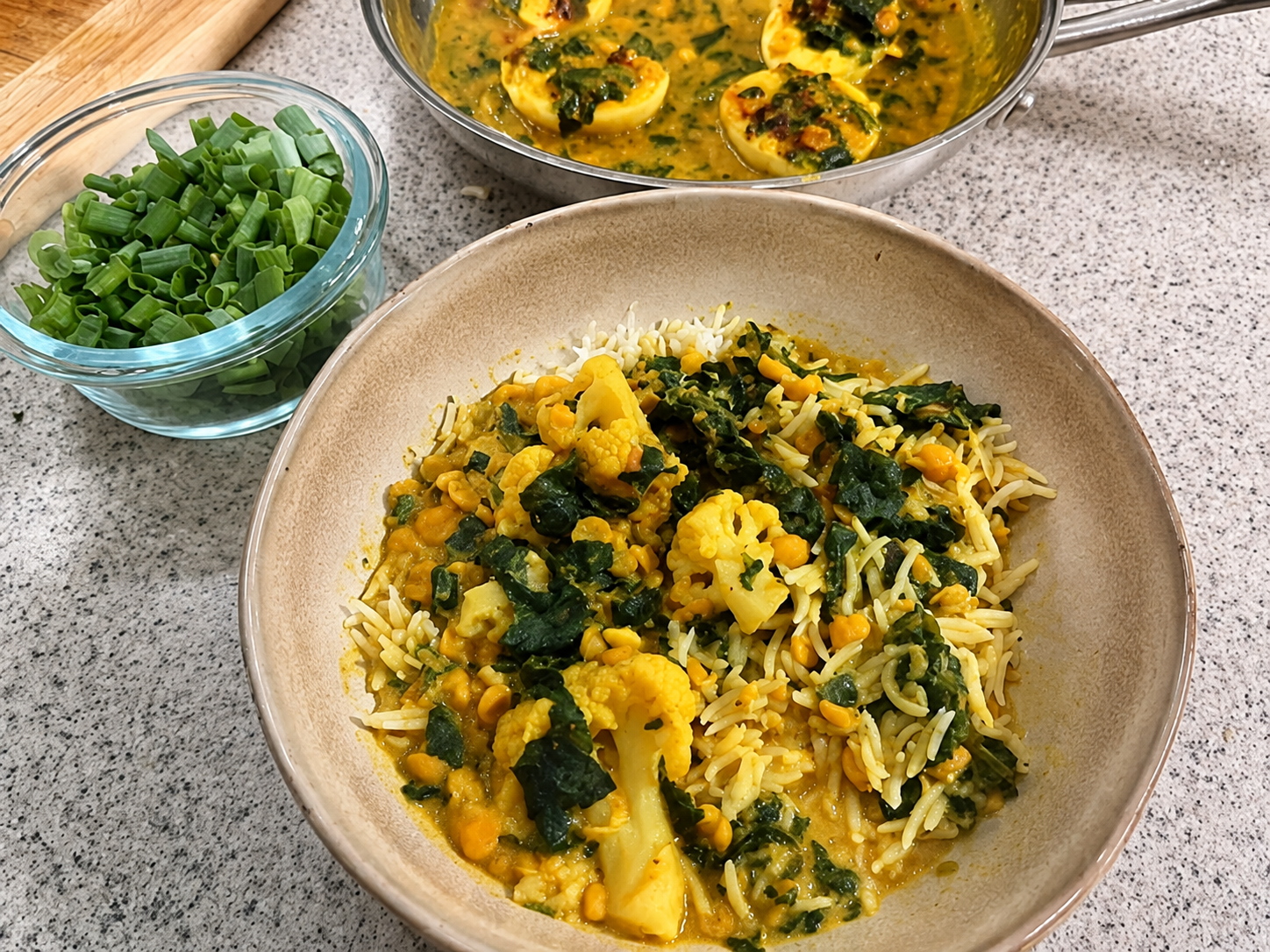
A creamy yellow split-pea dal finished with a fragrant onion, ginger, garlic, and cumin tadka. Serve it with warm rice for a satisfying family meal.